


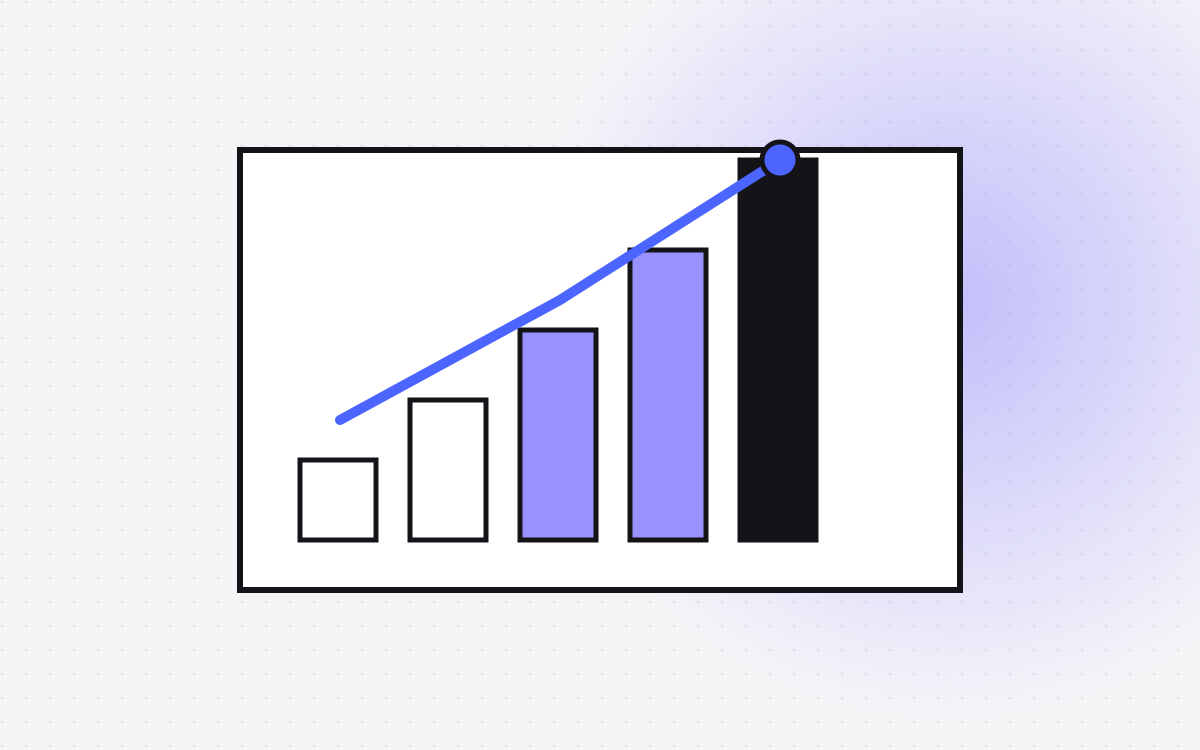
- Webflow is fine for SEO. The platform rarely holds a site back. Strategy and content do the work.
- What moves rankings: pages that match search intent, useful content, clear structure, internal links, fast loading and trust.
- What rarely matters: meta keywords, stuffing, and chasing a perfect score in one tool.
- Webflow gives you full control of titles, descriptions, URLs, redirects, schema and a sitemap.
- SEO takes months. Nobody can promise a position, and we do not.
The short answer
Webflow does not hold your rankings back. It gives you clean code, fast hosting, control over every title, description and URL, and a built-in sitemap. What moves rankings is the same on every platform: pages that answer what people search for, better than the other pages that rank.
This post is about the few things that matter, and the many that do not. For a step-by-step list, use our Webflow SEO checklist.
1. Match search intent
Before you write, look at what ranks for your target phrase. Are the results guides, product pages, comparisons or tools? That is what Google thinks people want. If you build the wrong type of page, no amount of polish will save it. Read about search intent and plan one page per main topic.
2. Write content that is worth citing
Useful pages earn rankings and links. In our experience, the pages that do best answer the question in the first paragraph, then go deeper with examples, steps and honest trade-offs. Add real detail that only someone with experience would know. Thin pages stuffed with keywords do not hold up.
The same style helps in AI search. See our post on what AEO is.
3. Get the basics right in Webflow
Webflow makes the basics easy. Do all of them.
- Title tag and meta description on every page, written for people. See title tags and meta descriptions.
- One H1 per page, then a logical heading order.
- Clean URLs that are short and readable.
- Alt text on meaningful images.
- Sitemap turned on and submitted in Google Search Console.
- Canonical tags set where pages could be duplicates.
4. Build internal links on purpose
Internal links tell search engines which pages matter and help people find the next step. Link from blog posts to service pages, from service pages to proof, and from one guide to the next. Use clear anchor text, not "click here". Webflow's CMS makes it easy to add a related posts list, but hand-placed links in the body usually work better.
5. Keep the site fast
Speed is a real part of the experience, and Google measures it through Core Web Vitals. Compress images, limit fonts and delay heavy scripts. We cover this step by step in how we get 90+ on mobile. Speed will not lift a weak page above a strong one, but a slow site can hold a good page back.
6. Add structured data
Structured data helps search engines and AI tools understand a page. Organization, Article, FAQ and Breadcrumb markup are the usual ones. Add them with custom code in Webflow, and test them before launch. See schema markup. Markup does not guarantee a rich result, but it removes guesswork.
7. Earn trust and links
Real reviews, named authors, case studies and mentions from other sites all build trust. Quality beats quantity. A handful of relevant links from real sites is worth more than a pile of low-quality ones.
What does not move rankings
- Meta keywords. Search engines ignore them.
- Repeating a phrase many times on a page.
- Publishing daily with no plan. Volume without value does not help.
- A single tool score. Use tools to find problems, not as a goal.
And one honest point: SEO takes months, and nobody can promise a position. Be wary of anyone who does.
A simple order of work
If you are starting from scratch, this order wastes the least time.
- List the 5 to 10 topics your customers search for.
- Check what ranks, and decide what page type each topic needs.
- Build or fix the key pages first: services, pricing, and the pages that sell.
- Write supporting guides that answer common questions and link back to those pages.
- Fix the technical basics: titles, descriptions, speed, sitemap, schema.
- Review in Search Console each month, then improve the pages that are close to page one.
Doing these six in order beats doing fifty small tweaks at random.
How to read Search Console
Search Console is free and shows what Google sees. Start with the Performance report. Look for queries where you appear but get few clicks. Those pages often need a better title, a clearer answer or a closer match to intent. Then check the Pages report for errors and the Core Web Vitals report for slow pages. Use Search Console as your guide, and use other tools as a second opinion. A page that ranks 8th to 15th for a good keyword is usually the best place to spend your next hour.
How to know it is working
Pick three signals and check them monthly. First, impressions in Search Console for your target topics. Rising impressions mean Google is showing your pages more. Second, clicks and average position for those topics. Third, leads or sign-ups from organic visits, tracked in GA4. Rankings alone do not pay the bills, so tie the work to enquiries.
Give changes time. A new page can take weeks to settle, and a title change can move things up or down for a while. Avoid editing the same page every few days. Make a change, note the date, wait, then judge. Keep a simple log of what you changed and when. Over a few months the log shows which kinds of work paid off, and that is worth more than any generic advice, including ours.
What to do next
If you want help, our SEO, AEO and GEO service starts at $1,000 and covers setup, content planning and technical fixes. We can also audit your site and tell you the three changes that would help most. See how Webflow compares on this front in Webflow vs WordPress.
More reading: schema markup guide, llms.txt guide and Webflow redesign checklist.

Terms used: Webflow, Internal links


